The Intrigue
For more than thirty years, Abal has lived under the shadow of servitude in the powerful kingdom of Delah. He has sacrificed his youth, his freedom, and countless years away from his wife and children. Now, after finally earning the chance to return home permanently, he believes his long-awaited freedom has arrived. But the price of that freedom is a decision that could permanently change the destiny of one of his daughters.
When Abal reveals that one of Padima or Nuru must become a Negestati, a woman attached to royalty without the status of an ordinary wife, Jamila's hopes for her daughters' futures begin to collapse. She knows her husband deserves his freedom, yet she cannot silence the question tormenting her heart: which daughter will be sacrificed to secure it?
Summary
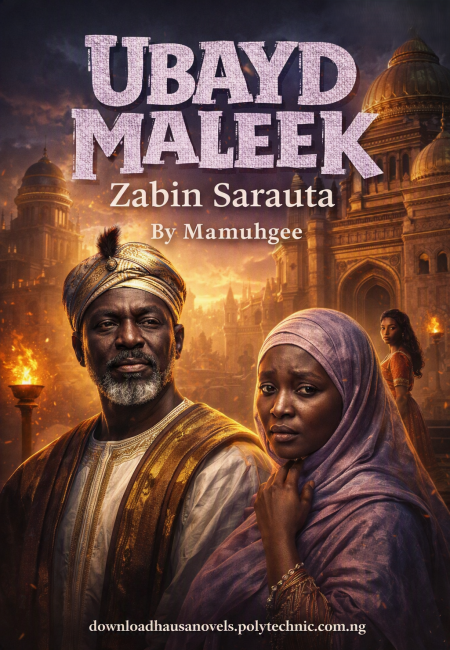
UBAYD MALEEK (Royalty versus Love) by Mamuhgee introduces a family whose peaceful reunion quickly becomes overshadowed by a difficult royal tradition. Abal unexpectedly returns home in the middle of the day, carrying belongings on the back of his donkey. His arrival immediately alarms Jamila, his wife, because his work in Delah normally keeps him away for long periods. For years, she has endured an almost solitary marriage, seeing her husband only occasionally while raising their children largely without him.
This unexpected return, however, carries news that Jamila has been waiting years to hear. Abal tells her that he has finally secured his freedom after more than three decades of service in Delah. His father had also spent his entire life in bondage there, and Abal followed the same path from childhood into adulthood. Even after marrying Jamila and becoming a father, his life remained tied to the kingdom. His return is therefore not simply a visit. He intends to remain with his family and finally experience the ordinary life he has been denied for most of his existence.
But Abal's freedom comes with a condition that leaves Jamila devastated. In Delah, the descendants of servants can sometimes enter the royal bloodline through their daughters becoming Negestati. Such a position can bring extraordinary wealth and elevate an entire family from poverty into prosperity. Abal believes that one of his daughters can become the final link in his family's history of servitude, allowing him to end the burden that has followed his bloodline for generations.
The problem is that Jamila does not see her daughters as a path to wealth or social advancement. She sees them as children she has raised, protected, and prepared for marriage and ordinary family life. Padima and Nuru are now confronted with a destiny their mother never imagined for them, while their youngest sister Meriyam, only ten years old, remains outside the immediate decision. Jamila's greatest fear is no longer whether her husband will return home, but whether his freedom will require one of their daughters to surrender the future she had always imagined for herself.
Abal, meanwhile, is not presenting the decision as a simple act of cruelty. To him, it is the culmination of a lifetime of hardship. He believes that after decades of service, he deserves to rest, and he sees his daughter's possible connection to Delah's royalty as an opportunity for the entire family. Yet the deeper the story moves into this conflict, the more complicated the meaning of freedom becomes. Can a family truly celebrate one person's freedom when another person's future may become the price for it? And when royalty enters the equation, will love be strong enough to withstand tradition, sacrifice, ambition, and duty?
Genre and Setting
UBAYD MALEEK is a Hausa family drama built around romance, royalty, sacrifice, tradition, social class, and emotional conflict. The story combines domestic tension with the larger world of Delah, a powerful kingdom whose customs have shaped the lives of Abal and his family for generations.
The setting moves between the family's humble home and the influential world of Delah, creating a strong contrast between ordinary family life and royal expectations. This contrast becomes central to the story because what appears to be an opportunity for wealth and prestige to one person may look like the loss of freedom and personal choice to another.
Core Themes
At its heart, the novel explores freedom and sacrifice. Abal has spent most of his life serving another power, and his desire to finally become free is completely intertwined with his plans for his children. His story raises difficult questions about whether freedom gained through another person's sacrifice can truly be called freedom.
The novel also examines parental love and difficult choices. Jamila's resistance comes from a mother's perspective. She has watched her daughters grow and has already imagined futures for them. Abal's decision forces her to confront a reality in which the happiness and security of her husband may conflict with the future she wants for her children.
Another important theme is royalty versus ordinary love. Becoming connected to Delah's royal family could transform the family's social and financial position, but it could also redefine what marriage, intimacy, and personal choice mean for the daughter involved. The story therefore places material prosperity and emotional fulfillment on opposite sides of a difficult decision.
The novel further explores generational bondage and destiny. Abal inherited a life of servitude from his father, and he is determined that the pattern should end with him. His attempt to secure his family's future reveals how difficult it can be to escape a legacy when the very system that oppressed one generation offers another generation a path to prosperity.
Key Characters
Abal is a man shaped by decades of service in Delah. After spending more than thirty years in bondage, he returns home determined to claim the peaceful family life he has been denied. His decision regarding his daughters reveals both his exhaustion and his determination to change his family's social position permanently.
Jamila is Abal's wife and the emotional center of the conflict. She has spent nearly two decades living without her husband for most of the time, raising their children and carrying the responsibilities of motherhood largely on her own. Her greatest concern is protecting her daughters from a destiny she never chose for them.
Padima and Nuru are the two daughters at the center of Abal's decision. Their father's plan places their futures under a royal tradition they had never expected to face. Neither daughter is yet given a voice in the excerpt, making their eventual reactions an important source of suspense.
Meriyam, the youngest daughter, is only ten years old and therefore remains outside the immediate decision. Her presence also emphasizes the different stages of childhood and womanhood within the family.
Analytics and Insight
The strongest dramatic element in UBAYD MALEEK is the contradiction at the center of Abal's return. He comes home carrying the promise of freedom, yet the moment that should represent happiness instead introduces a new burden for his family. That reversal creates an immediate emotional hook.
The novel also establishes a compelling conflict between economic advancement and personal autonomy. Delah represents power, wealth, prestige, and opportunity, but it also represents the system that has consumed Abal's youth. His daughter becoming part of that world could transform the family's circumstances, yet it may also extend the influence of Delah into the next generation.
The title, Royalty versus Love, captures this central struggle. The story is positioned to ask whether royal privilege can compensate for the emotional cost of losing an ordinary marital future. More importantly, it leaves readers wondering whether Abal's definition of freedom is the same as his daughter's definition of happiness.
A Quote From the Story
“Shin kina ganin bai kamata ba Nima nasamu yanci nadawo gidaba na huta?”
"Don't you think I also deserve my freedom, to return home and finally rest?"
That question captures the emotional heart of Abal's character, while the consequences of his answer create the suspense surrounding his daughters.
Why Readers Will Want to Continue
Abal has finally returned home after a lifetime of waiting for freedom. Jamila has finally gotten her husband back. Yet instead of beginning a peaceful new chapter together, their family is confronted with a decision that could determine the fate of their daughters.
One daughter may become the bridge between an ordinary family and the royal house of Delah. The opportunity could bring wealth, status, and a permanent change in the family's history. But what happens when the person expected to pay the price is someone a mother has spent years protecting?
UBAYD MALEEK sets the stage for a deeply emotional battle between love, family duty, freedom, ambition, tradition, and royalty. The real question is no longer whether Abal will remain free. It is whose future will be changed so that he can finally enjoy it?